February 11, 2026
Why I Built Kintara
Kintara started as a pattern I couldn't ignore.
Across industries and economic cycles, the same thing kept determining outcomes: people. Whether the right person was in the right role with the clarity and support to execute when it mattered. I watched well-funded initiatives stall because leadership capability didn't match the moment. I watched strong strategies fail because the team couldn't hold together under pressure. And I watched the opposite happen—the outsized impact of the right person in the right seat, with real ownership and clear expectations.
I developed conviction on this topic by being responsible for outcomes and living with the result when I got it wrong.
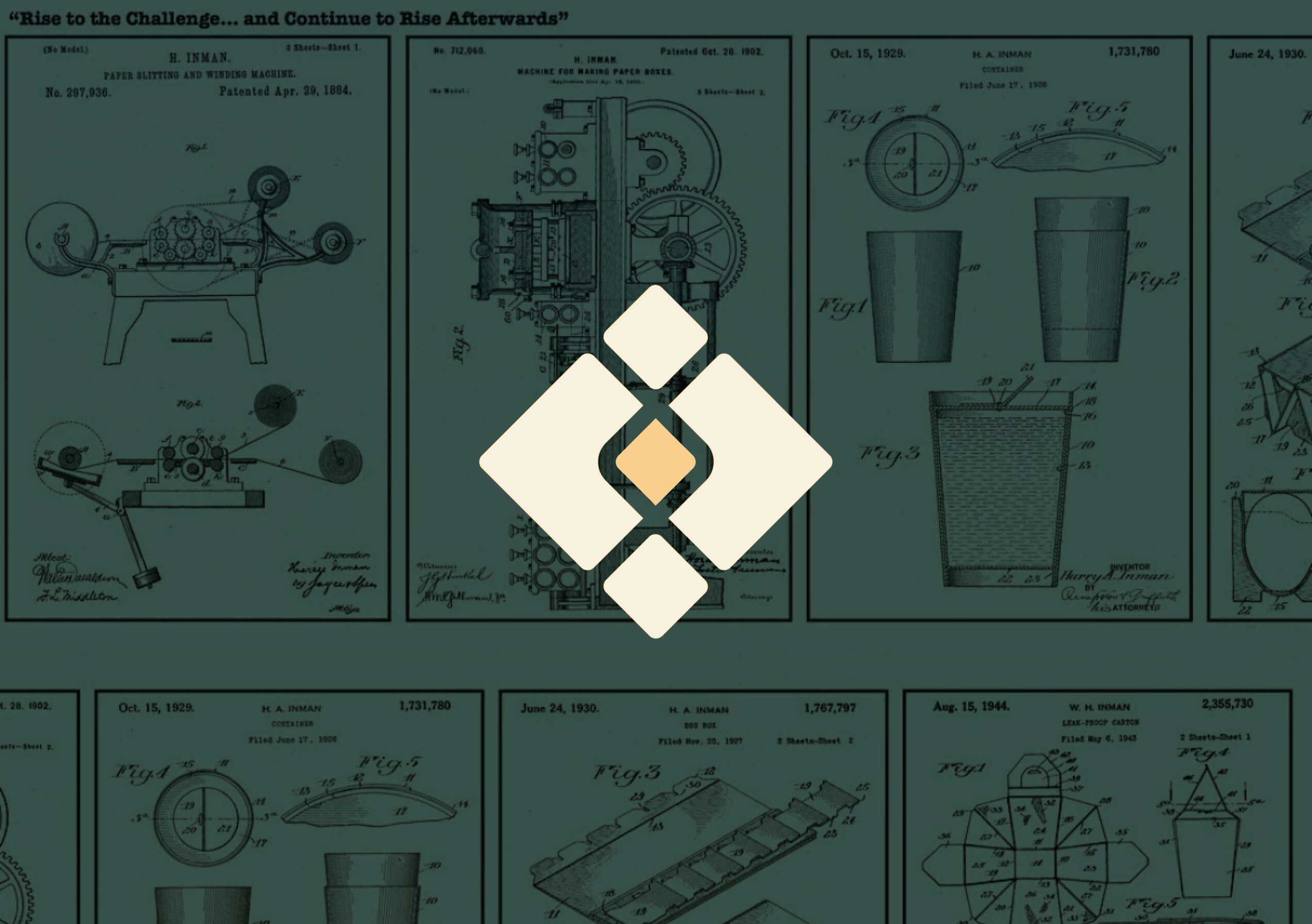
Building is in my family. My great-great-great grandfather founded a manufacturing company that designed and built machines for making paper boxes—industrial infrastructure that enabled others to build. My mother started and ran her own executive search business for more than twenty years. I worked in that business for years myself, learning the craft from the inside and seeing what it takes to earn trust over decades of client relationships.
Growing up around builders shapes how you see responsibility. You learn that quality matters even when no one is watching. You learn that decisions have consequences that unfold slowly.
I didn't set out to follow either path directly. I spent a significant stretch of my career in tech, watching companies like Uber, Snapchat, and Instagram hit mainstream traction. I learned how high-growth businesses scale. I also started questioning the real value I was creating—whether the work I was doing would matter to anyone in ten years.
Nonprofit work gave me a different lens. At Venture for America, I led an organization that launched the careers of more than 1,500 young professionals, many of whom went on to found over 350 companies. I saw what it meant to invest in people and place over the long term—and the difference between building something that simply looks impressive versus building something that lasts.
Founding Kintara was where purpose and autonomy finally converged for me. I chose to focus on people who make and move physical things—manufacturing and hard technology—because when you get it wrong in those sectors, the consequences are real, and when you get it right, the impact is world-changing. Compared to software, industrial excellence can't be abstracted away or patched in the next software release. It needs to be carefully and methodically built, just like the products it produces.
I've been responsible for hard decisions: letting people go, winding down programs, navigating organizational change when there were no clean answers and every option had a cost.
I've made hiring decisions that looked right on paper and failed in practice. I've kept the wrong person too long, hoping that effort or time would fix what alignment could not. I've watched toxic behavior quietly erode teams and trust—often long before it showed up in any metric anyone was tracking.
I've also helped launch new revenue streams that revitalized stagnating companies, and redesigned legacy programs so they actually engaged people and delivered outcomes.
My standards are high because I've paid the cost of getting things wrong. The mistakes rarely show up all at once. They surface over time, in morale and missed opportunities. And they're usually traceable back to a people decision that seemed minor at the time—a role that wasn't clearly defined, a problem that wasn't addressed early.
Across every company and stage of growth I've worked in, the constraint and opportunity is the same: talent. The ability to lead and own outcomes when it matters. Strategy only works when the right people are in place to execute. Technology evolves quickly; human fundamentals do not.
When companies struggle, people systems have usually broken somewhere along the way.
Over time, I also started seeing where the recruiting and executive search industry itself falls short. Resumes and pedigree get used as shortcuts for judgment, even though leadership failures rarely come from lack of experience. Hiring gets treated as a front-end activity, disconnected from onboarding and execution. Speed gets rewarded over precision, even when the cost of getting it wrong far exceeds the cost of taking more time.
In manufacturing and hard technology, these gaps surface faster. Mistakes can't be abstracted away. The companies that endure build teams and people systems that hold up when pressure arrives.
Kintara is based in Cleveland for strategic reasons.
Northeast Ohio has the fundamentals required to compete: industrial density, access to freshwater, reliable power, deep manufacturing expertise. This is a region that knows how to make and move physical things at scale. Reindustrialization is lived reality here, visible in the factories and supply chains that never fully went away.
I'm raising my family here, which makes this work personal and long-term by design. The next era of American industry will reward places that already understand how to build and adapt. I'd rather be early and embedded than late and parachuting in.
Kintara is named for kintsugi, the Japanese practice of repairing broken ceramics with gold. The repair makes the object stronger and more valuable than before. That's the idea behind this work. People are the gold. How you invest in them shapes everything that follows.
My work is deeply embedded. We operate alongside leadership teams and the people doing the work, helping make real decisions, move things forward, and stay accountable to outcomes.
Precision matters more than volume. Fewer things done well outperform constant activity. Whether hiring or building people systems, we focus on fit and long-term impact.
The bar is high, but so is the care. Empathy without accountability doesn't scale. Accountability without empathy doesn't hold. Care means telling the truth early and having difficult conversations—always with the utmost respect.
Labor shortages and leadership gaps are converging with succession risk, striking all at once. As experienced operators retire and fewer skilled workers enter the pipeline, the margin for error in people decisions is shrinking. Shallow talent strategies optimized for speed will not hold up under sustained pressure.
The companies that win will be the ones that invest early and consistently in people and leadership systems. Advantage will come from being better prepared.
Kintara exists to strengthen the teams powering America's reindustrialization. This work is long-term by design—built through discipline and sustained partnership.
This is the work I've been preparing for my entire career.
If you're building a company where people decisions carry real weight, I'd welcome the conversation.
—Carrie Murphy, Founder
We share lessons learned, best practices, and observations from our work and the industry.

Helping companies perform and last.